Chef Base Kitchen
Engineered Cooking & Preparation Surfaces
Explore our premium grade materials, from high-density polymers to antimicrobial carbonized wood panels, designed to meet rigorous international food service standards.
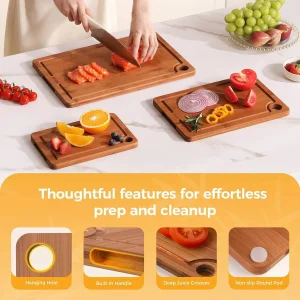
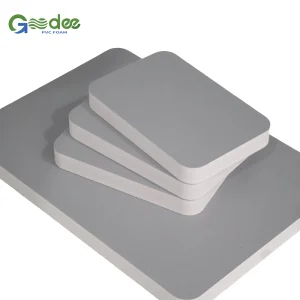
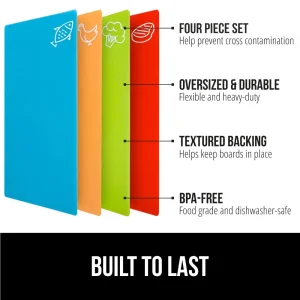
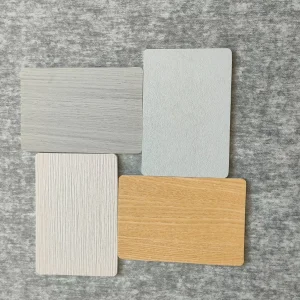
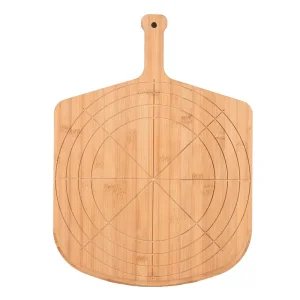
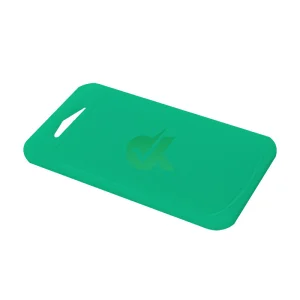
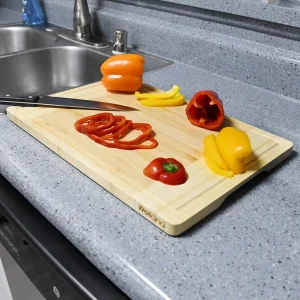
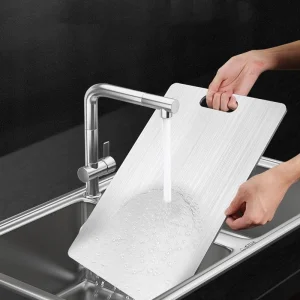
The Evolution of Durable Cooking Surfaces in Commercial & Residential Kitchens
An analytical white paper on structural safety, molecular stability, and hygienic optimization in modern food preparation systems.
In the high-intensity environments of commercial food processing, catering operations, and modern residential kitchens, the physical integrity of food preparation surfaces is directly correlated to food safety, operational longevity, and culinary efficiency. Selecting the correct durable cooking surface is no longer merely an aesthetic choice; it is an engineering necessity that affects tool degradation, cross-contamination rates, and compliance with stringent international health codes.
Material Science and the Kitchen: Re-engineering the Contact Interface
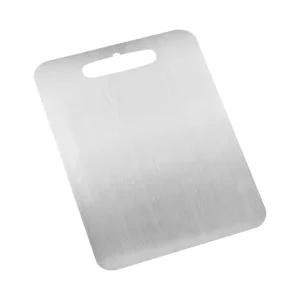
Historically, culinary preparation surfaces relied on basic natural lumber or standard unmodified sheet plastics. Today's commercial kitchen demands require advanced chemical and structural engineering. The modern market is dominated by complex formulations such as High-Density Polyethylene (HDPE), Food-Grade Polypropylene (PP), ultra-compressed polymer fiberboard, carbonized cross-grain bamboo, and bio-compatible metals (Grade 304 Stainless Steel and Pure Titanium). These materials are specifically designed to resist continuous knife impact, resist deep scoring, and prevent micro-fracturing where hazardous bacteria (e.g., Salmonella, E. coli, and Listeria) can colonize.
From a molecular perspective, high-performance polymer boards exhibit a crystalline structure designed to yield slightly under high shear forces, protecting the fine edge of high-carbon chef knives. Conversely, metal-based surfaces like pure titanium provide unparalleled sanitation, high thermal transfer resistance, and absolute liquid impermeability, making them ideal for heavy pastry work, allergen-isolated prep zones, and high-frequency sterilization regimens.
Established Manufacturing Excellence Since 1996
Since its establishment in 1996, Ningbo Chef Base Kitchen Co., Ltd. has focused on the research, development, and manufacturing of high-performance kitchen cutting boards. In the highly specialized field of plastic cutting board production, we have consistently led the industry by merging decades of physical manufacturing expertise with forward-thinking material sciences. As a pioneer of modern antibacterial cutting surfaces, we hold 20 design patents, ensuring our B2B partners receive products that are functionally superior, safety-compliant, and optimized for market appeal.
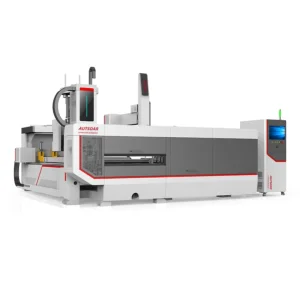
Our expansive production facility utilizes advanced CNC machinery, plastic extrusion lines, and precision wood finishing installations. We serve as a strategic supplier and exporter to leading hospitality suppliers, global hypermarket chains, and OEM kitchenware brands across North America, Europe, and Asia-Pacific. By controlling the entire manufacturing loop—from raw compound blending to final surface texturing—we deliver unmatched quality stability and volume scaling capabilities.
Global Commercial & Industrial Landscape
The dynamics of procurement, environmental regulations, and safety standards in the global food service industry.
The global industrial kitchenware sector is undergoing a rapid transition toward material safety, supply chain transparency, and compliance with the circular economy. Public health agencies like the U.S. Food and Drug Administration (FDA), European Food Safety Authority (EFSA), and local environmental bodies are enforcing tighter regulations regarding chemical migration from food-contact surfaces. The restriction of Bisphenol A (BPA), phthalates, and lead compounds has pushed polymers like HDPE and PP to the forefront of commercial kitchen specifications.
Simultaneously, the commercial hospitality market—spanning Quick Service Restaurants (QSRs), high-end hotels, and industrial food packaging lines—demands extreme cost efficiency without sacrificing quality. Equipment must withstand the chemical stress of high-temperature commercial dishwashers and harsh chlorine-based sanitizers. Consequently, global distributors are shifting procurement focus away from low-cost, uncertified manufacturers to verified OEM partners who can guarantee material purity, traceability, and mechanical performance over thousands of operational cycles.
Cost Optimization
Balancing structural lifetime with tooling costs. Our high-durability polymers minimize cutting-tool wear, resulting in significant savings on commercial knife maintenance.
HACCP Integration
Color-coded preparation platforms (e.g., Red for raw meat, Green for vegetables, Blue for seafood) simplify Hazard Analysis Critical Control Point implementation.
Universal Compliance
All products are formulated to exceed FDA 21 CFR 177.1520 requirements, LFGB compliance parameters, and NSF Sanitation standards for continuous food contact.
Reshaping Cutting Board Value in the Modern Kitchen
We know that although cutting boards are inconspicuous, they play a vital role in the cooking process. We are fully committed to creating healthy, safe, environmentally friendly, and easy-to-use cutting boards, making them an indispensable part of your culinary operations.

Healthy and antibacterial
Using cutting-edge technology and high-quality materials, we ensure that the cutting board has long-lasting antibacterial properties to protect the health of you and your family.

Safe use
The anti-slip design and knife protection mechanism of the cutting board make you feel more at ease when cooking, while extending the life of the knife.

Environmental protection
From raw material procurement to production and manufacturing, we adhere to the principle of green environmental protection, ensure that the product is recyclable, and contribute to environmental protection.

Humanized design
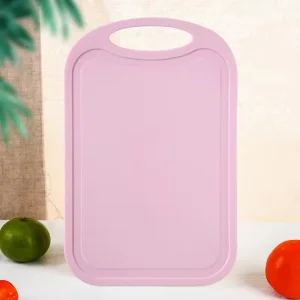
Raw and cooked separation, water guide groove, easy to clean and store, every detail is designed to optimize your cooking experience.
Technical Roadmap & Future Outlook
Charting the course for smart materials, advanced polymers, and eco-sustainable manufacturing methods over the next decade.
High-density Homopolymer Formulations & Active Antimicrobial Ions
Deploying advanced silver-ion compounds embedded within HDPE matrices. This provides a continuously regenerating hygienic surface active against Gram-positive and Gram-negative bacteria.
Bio-Composite Structural Polymers & Automated Precision Milling
Integrating post-industrial bamboo fibers with recycled food-grade polymers. This reduces carbon footprint by up to 40% while enhancing the surface's tensile strength and thermal limits.
Smart Prep Surfaces & Fully Circular Material Lifecycles
Developing surfaces with structural wear indicators (color changes upon deep wear) and transitioning to 100% closed-loop systems where old boards are remanufactured into industrial utility items.
Localized Applications: Adapting to Global Kitchen Environments
How physical structures adapt to diverse culinary customs, geographical climates, and operational setups.
1. High-Humidity Professional Environments (Southeast Asia & Latin America)
In regions with high temperature and humidity, natural untreated wood substrates degrade quickly due to mold and warp. Here, our waterproof and anti-mold laminated boards, alongside food-grade polypropylene options, are essential. They block moisture absorption, maintaining structural flatness and preventing bacterial growth.
2. Western QSRs & Color-Coded Separation (North America & Europe)
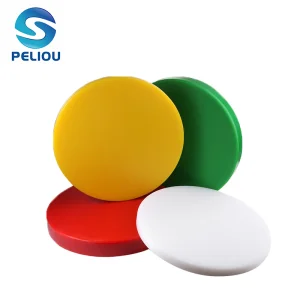
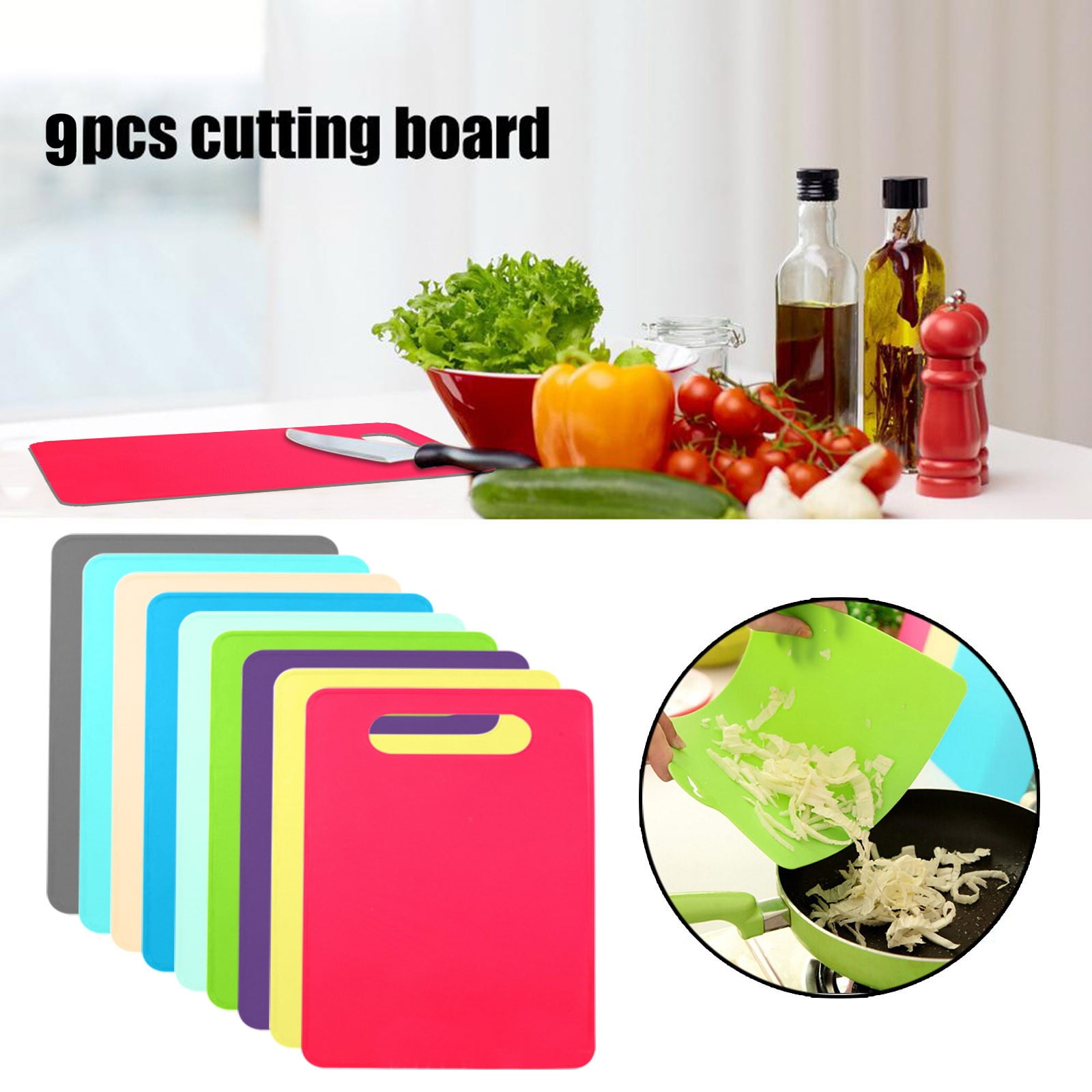
With strict health department inspections, Western markets rely on color-coded systems to prevent cross-contamination. Our high-density polyethylene (HDPE) systems are color-coded (red, yellow, green, blue, brown, white) to separate raw meats, poultry, ready-to-eat vegetables, and allergen-sensitive foods.
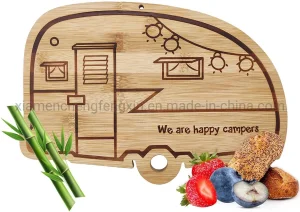
3. Mobile Caterers & Recreational Vehicles (RVs)
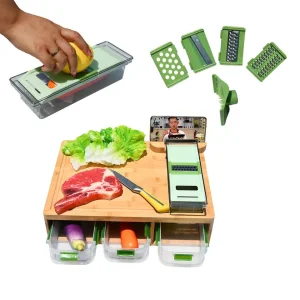
Space and weight constraints in mobile catering vans and recreational vehicles demand versatile, lightweight tools. Our integrated bamboo cutting boards with built-in storage containers and phone holders maximize workspace efficiency, turning a single prep footprint into a multi-functional culinary station.
China Factory Supply Chain Resilience & Efficiency
The global dominance of Chinese kitchenware manufacturing is built on raw material accessibility, skilled tool engineering, and integrated logistics. Our plant in Ningbo, Zhejiang Province, sits at the heart of this supply chain ecosystem. Being close to Ningbo-Zhoushan Port—one of the world's busiest container hubs—allows us to export directly to global markets while reducing domestic transit times and shipping costs.
By using heavy-duty CNC drilling, milling, and high-volume extrusion lines, we eliminate manufacturing bottlenecks. If raw material prices spike or global supply chains are disrupted, our long-term contracts with local polymer suppliers ensure stable pricing and production times. This structural reliability protects our B2B partners from the market volatility common in other manufacturing regions.
Localized Support & Compliance Assurance
Ensuring seamless import clearance, customs compliance, and dedicated after-sales support for global buyers.
Customs Documentation
We generate clean Certificates of Origin (CO), Form E, and packing sheets to minimize port delay and qualify for regional tariff reductions.
Heavy-Duty Testing
Every batch undergoes rigorous quality assurance, including heat deflection tests, knife wear testing, and dishwasher simulation cycles.
24/7 Technical Support
Our dedicated international customer success team handles pre-shipment coordination, OEM customization support, and quality assurance inquiries.
Frequently Asked Questions
Providing clear answers to technical questions about procurement, material properties, and regulatory compliance.
What makes food-grade HDPE superior to standard household plastic cutting boards?
High-Density Polyethylene (HDPE) has a denser molecular structure than standard plastics. This higher density increases impact resistance and limits deep scoring from professional knives, preventing bacteria from nesting. It is also highly resistant to the commercial sanitizers and high-temperature cleaning cycles typical in restaurant operations.
How does Ningbo Chef Base ensure the long-term effectiveness of its antibacterial cutting surfaces?
Our antibacterial properties are built into the board, rather than applied as a surface coating. During polymer extrusion, we blend food-safe antimicrobial additives throughout the material. This ensures that even as the board wears down over time, it continues to release active ions that inhibit bacterial growth.
What custom manufacturing options (OEM/ODM) are available for wholesale buyers?
We offer full customization for international orders, including custom dimensions, custom colors for HACCP separation, juice grooves, integrated silicone non-slip corners, and precision-routed handles. We can also deboss your brand logo directly onto the surfaces using our CNC milling systems.
Are the materials eco-friendly and recyclable at the end of their lifecycle?
Yes. Both our Polypropylene (PP) and High-Density Polyethylene (HDPE) boards are 100% recyclable thermoplastic materials. We also offer carbonized bamboo options, which utilize sustainably harvested raw bamboo. This provides a renewable alternative for eco-conscious brands and consumers.
What is the minimum order quantity (MOQ) and lead time for global shipments?
Minimum order quantities vary by material and customization needs. For standard polymer surfaces, MOQs generally start at 1,000 units. For custom OEM sizes and structures, MOQs adjust accordingly. Standard production lead time is 25 to 35 days from deposit confirmation, depending on order size and customization complexity.
Industrial Equipment & Premium Kitchen Tools
Explore our industrial manufacturing solutions and professional kitchen accessories, designed to handle the heavy demands of modern food prep environments.