Cutting boards are essential tools in any kitchen, but they can also be breeding grounds for bacteria if not stored properly. Knowing how to store cutting boards to avoid bacteria is crucial for maintaining a safe cooking environment. In this guide, we will explore ten effective ways to store cutting boards while reducing the risk of contamination.
Many people overlook the importance of proper storage. While cutting boards may seem harmless, improper storage can lead to cross-contamination. Wooden and plastic boards each have unique needs, and understanding these can enhance food safety. Stacking boards in closed cabinets might seem convenient, but it could trap moisture and promote bacterial growth.
Choosing the right materials and techniques can change the game. Consider using wall-mounted racks or designated drying racks. These options allow airflow and keep boards separate. We will provide insights into each method, along with tips from culinary experts. Remember, the goal is not only convenience but also ensuring a clean and healthy cooking space for you and your family.
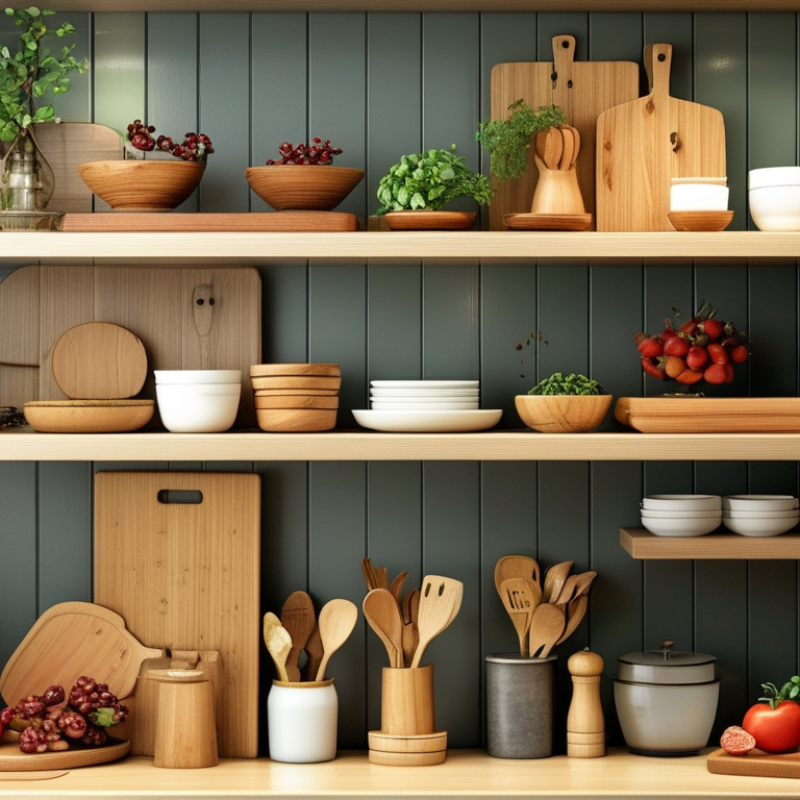
Proper storage of cutting boards is essential for maintaining hygiene in the kitchen. Bacteria thrive on surfaces that retain moisture. Leaving cutting boards in a wet environment, like a sink, provides an ideal breeding ground for germs. Instead, it’s crucial to keep them dry.
After washing, air-drying is best. This allows moisture to evaporate completely, reducing the risk of bacterial growth.
Choosing the right storage solution enhances both safety and convenience. Wall-mounted racks or magnets can keep boards off countertops. This not only saves space but also maintains airflow around the boards, helping them dry quicker. Avoid overcrowding storage areas, as stacking multiple boards can trap moisture. Remember, a cutting board is only as good as how you care for it. Regularly checking for signs of wear or deep grooves can help you recognize when to replace a board, ensuring your kitchen remains a safe environment.
Choosing the right material for cutting boards plays a pivotal role in food safety. Wood, plastic, and bamboo each have unique qualities. Hardwood boards can be easier on knife edges. They also have natural antibacterial properties. However, they require more maintenance. Regular oiling is essential to prevent cracks.
Plastic cutting boards offer easy cleaning and dishwasher safety. They are less prone to harboring bacteria if properly sanitized. However, they can develop deep grooves over time. These grooves can trap food particles, eventually leading to contamination. The decision between wood and plastic often depends on your cooking style and maintenance preferences.
Bamboo boards are eco-friendly and lightweight. They are also less porous than wood, making them resistant to bacteria. Yet, they can be harder on knives and may chip or splinter with heavy use. Reflecting on your habits can help determine which material will best suit your needs. Evaluate your cleaning routines and how often you cook. This will guide you in selecting the most suitable cutting board for your kitchen.
Keeping cutting boards clean is essential for food safety. A recent study showed that improper cleaning of cutting boards can lead to the growth of harmful bacteria. For effective cleaning, use hot, soapy water. Scrub vigorously, especially on wooden boards where bacteria can hide. Rinse thoroughly to remove soap residue.
Drying is just as important as cleaning. Experts recommend air drying cutting boards in a vertical position. This allows for better air circulation and reduces moisture build-up. A study found that boards left in a damp environment are more likely to harbor bacteria. Using a separate drying rack can be a good solution. Remember, even the best cleaning methods can falter if drying is neglected.
Consider seasonality when caring for wooden boards. During humid months, boards can absorb moisture. Regularly oil your wooden cutting boards to maintain their integrity. This helps seal the surface, making it easier to clean. Regular maintenance reflects diligence and awareness of food safety risks. A moment of care can go a long way in preventing bacterial growth.
When storing cutting boards, consider the environment you create. Keeping them in a dry, ventilated area can significantly reduce bacterial growth. Avoid placing them in dark, damp spaces, as these conditions foster mold and germs. Regularly check for moisture or debris trapped between boards. Even a small amount can be a breeding ground for bacteria.
Another effective solution is to separate cutting boards based on their use. Designate specific boards for meats, vegetables, and dairy. This practice not only minimizes cross-contamination but also helps maintain a cleaner kitchen environment. Use wall-mounted racks or magnetic strips to store them upright. This positioning enables airflow and prevents them from touching surfaces that may harbor bacteria.
It is essential to periodically clean and sanitize your cutting boards. Use hot, soapy water or a vinegar solution after each use. Not all cuts and scratches from knives are visible, but they can hide bacteria. Inspect your boards regularly and consider replacing them if they become deeply scored. Awareness of these factors can lead to better hygiene practices in the kitchen.
Maintaining the lifespan of your cutting boards is vital for both hygiene and durability. Regular cleaning is essential. A report from the USDA indicates that a well-maintained cutting board can reduce bacterial contamination by nearly 99%. To achieve this, wash boards immediately after use with hot, soapy water. For wood boards, avoid soaking. A light scrub with a mixture of vinegar and baking soda can effectively remove stubborn stains without damaging the surface.
Conditioning your wood boards is another crucial step. Using mineral oil every month helps seal the wood, preventing water absorption and cracking. According to a study by the Food Safety and Inspection Service, a properly conditioned board is less likely to harbor harmful bacteria. Discoloration or a rough texture might indicate that your board needs conditioning. Furthermore, avoid using a cutting board that shows signs of deep grooves. These grooves can trap bacteria, making it harder to clean effectively. Regular maintenance can save you money on replacements and enhance food safety.
: Common materials include wood, plastic, and bamboo. Each has unique qualities for food safety.
Hardwood boards are gentler on knife edges. They also have natural antibacterial properties.
Wooden boards need regular oiling to prevent cracks and maintain their integrity.
Yes, plastic boards can be cleaned easily and are dishwasher safe. Proper sanitation is key.
They can develop grooves that trap food particles. This may lead to contamination if not monitored.
Bamboo is lightweight and less porous, making it resistant to bacteria. They are a sustainable choice.
Use hot, soapy water and scrub vigorously. Rinse thoroughly to eliminate soap residue.
Air drying in a vertical position is recommended. It improves air circulation and reduces moisture.
In humid months, wooden boards can absorb moisture. Regular oiling is advised to maintain them.
Boards left damp are more likely to harbor bacteria. Proper drying is crucial for food safety.
Proper storage of cutting boards is essential to prevent the growth of harmful bacteria and ensure food safety in the kitchen. To store cutting boards to avoid bacteria, it is important to choose the right materials, such as hardwood or plastic, which can be sanitized effectively. Additionally, cutting boards should be thoroughly cleaned and dried immediately after use, as moisture creates an environment conducive to bacterial growth.
Optimal storage solutions include keeping cutting boards upright in a designated rack or drawer, allowing for air circulation. Regular maintenance, such as oiling wooden boards and inspecting for damage, can significantly extend their lifespan and maintain hygiene. By following these best practices, you can effectively manage your cutting boards and minimize the risk of foodborne illnesses.

Chef Base Kitchen