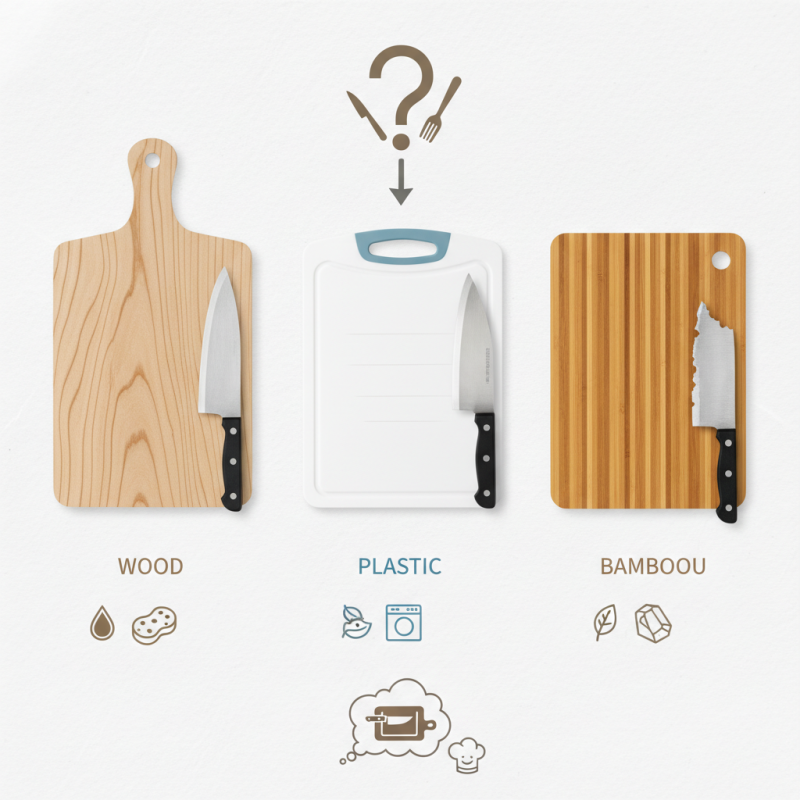
Choosing the right cutting board is crucial for maintaining your kitchen tools. The question arises: what material of cutting board is best for knives? Different materials offer varying levels of protection. Some options are wood, plastic, and bamboo. Each has its pros and cons.
Wooden boards are often favored for their ability to spare knife edges. However, they require proper maintenance to prevent warping or bacteria buildup. Plastic boards, on the other hand, are easy to clean but can dull knives more quickly. Bamboo, while eco-friendly, can be surprisingly hard on blades.
Ultimately, the best choice depends on your cooking habits and preferences. Reflecting on your experience with different materials can guide you in making the right decision. A well-informed choice will enhance your kitchen experience and prolong the life of your knives.
Best Cutting Board Materials: An Overview of Options
Choosing the right cutting board material is vital for knife maintenance. Common options include wood, bamboo, plastic, and glass. Each material has unique attributes that cater to different cooking styles.
Wood is favored for its durability and gentle surface. It helps maintain sharp blades while adding a touch of aesthetic appeal to your kitchen. However, wood requires proper care to avoid warping or harboring bacteria. Bamboo, being a grass, is environmentally friendly but can be harder on knives. You may notice more wear on blades over time.
Plastic boards are easy to clean and durable, making them a popular choice. They come in various colors, allowing for easy separation of different food types. Still, they can develop deep scratches where bacteria may hide. Glass boards are sleek and easy to sanitize but are tough on knife edges. Each option presents pros and cons, and the best choice depends on personal preferences and cooking habits.
Best Cutting Board Materials to Protect Your Knives
Understanding Knife Damage: How Cutting Boards Impact Blade Life
Choosing the right cutting board material can significantly impact the longevity of your knives. Different materials can either preserve or damage your knife blades. For instance, hard surfaces like glass can dull your knives quickly, while softer materials may offer better protection. Wood and bamboo boards are generally more forgiving. They tend to be gentler on blades, allowing for a longer edge retention.
When you cut on a hard surface, the knife meets resistance that can cause chipping or rolling of the blade. For chefs, this can lead to frequent sharpening. It’s advised to regularly check your cutting board for signs of wear or damage. A board with deep grooves may trap food particles, which can harbor bacteria.
Tips: Consider using a dedicated cutting board for meats and another for vegetables to reduce cross-contamination. Always clean and sanitize your board after use. If your cutting board has many nicks, it may be time to replace it. Investing in a board that complements your knife's design helps maintain the blade's sharpness while enhancing your culinary experience. Remember, even small changes can lead to improved knife performance.
Wood vs. Plastic: Pros and Cons for Knife Preservation
Choosing the right cutting board material is crucial for knife preservation. Wood and plastic are the two most common options, each with distinct advantages and drawbacks.
Wooden cutting boards are often favored by chefs. They are gentle on knife edges, helping to maintain sharpness. Wood has natural antimicrobial properties that can keep food safer. However, they require regular oiling and care to prevent warping or cracking. If not maintained, they may harbor bacteria in worn areas.
Plastic boards, on the other hand, are convenient and easy to clean. They can be placed in the dishwasher, making them hygienic. However, plastic can wear down knife edges more quickly than wood. Over time, deep cuts can create grooves that trap food particles and bacteria. This can compromise food safety.
In the end, the choice comes down to personal preference. Think about your cooking style and how much maintenance you are willing to commit. Both materials have their pros and cons, so reflect on how they fit your kitchen needs.
Bamboo and Glass Cutting Boards: Their Effects on Knife Sharpness
When considering cutting board materials, bamboo and glass are often discussed. Bamboo boards are popular for their eco-friendliness and resilience. They are gentle on knife edges, which helps maintain sharpness. Their natural fibers absorb less moisture, reducing the growth of bacteria. However, bamboo can be hard and may cause some wear on the blades over time. It’s essential to choose a high-quality bamboo board to mitigate damage.
On the other hand, glass cutting boards are sleek and easy to clean. They are non-porous, meaning they won’t harbor bacteria. However, glass surfaces can quickly dull knife blades. The hard surface does not offer any give, which can lead to more frequent sharpening. Many chefs recommend using glass boards as a secondary option, not for knife work, but for food presentation.
In both cases, there are trade-offs. Bamboo offers blade protection but may require more care. Glass is hygienic but harsh on knives. Think about how you use your cutting board. Balancing aesthetics and functionality will lead to better knife maintenance in your kitchen.
Maintaining Your Cutting Board for Optimal Knife Protection
Maintaining your cutting board is essential for protecting your knives. The right care prolongs both the board's life and the sharpness of your knives. Different materials require different approaches. Wooden boards are sensitive to moisture, while plastic boards may warp or scratch more easily.
Tips: Always clean the board with mild soap and water. Avoid soaking it, as this can cause warping. For wooden boards, apply mineral oil regularly to maintain its surface and prevent cracking. With time, your board might show signs of wear. Minor gouges can be sanded down gently.
A well-maintained board also ensures a safer kitchen. A dirty surface can harbor bacteria. Regularly sanitize your board, especially after cutting raw meat. For long-lasting durability, don’t use your cutting board as a surface for heavy impacts. Listen to the wear it shows and adjust your usage accordingly. Caring for your board will reward you with a better cooking experience.
FAQS
: The right cutting board can prolong knife life. Softer materials, like wood, are gentle on blades.
Wood and bamboo are forgiving. They help maintain knife sharpness better than glass or hard surfaces.
Hard surfaces can cause chipping or rolling of the blade. This leads to frequent sharpening.
Check for deep grooves. They can trap food particles and harbor bacteria, signaling it needs replacement.
Yes, using dedicated boards helps reduce cross-contamination. Clean and sanitize them after each use.
Bamboo is eco-friendly. It’s generally gentle on blades but can cause some wear over time.
Glass is easy to clean and hygienic. However, it can dull knife blades quickly due to its hardness.
Yes, think about how you use your board. Choose materials that combine aesthetics with good knife maintenance.
If your cutting board is damaged, it may be time for a replacement. This can improve food safety and knife performance.
Absolutely. Even minor adjustments can enhance knife performance and overall kitchen efficiency.
Conclusion
When considering what material of cutting board is best for knives, it's essential to analyze various options available, each with its unique pros and cons. Traditional wood cutting boards offer a gentle surface that minimizes blade damage, promoting longevity in knife sharpness. Conversely, plastic boards can be more hygienic and easier to maintain, but they may dull blades more quickly.
In addition, bamboo and glass cutting boards present different challenges—while bamboo can be a sustainable choice, it behaves more like wood, whereas glass is very hard and can significantly blunt knife edges. Understanding these differences is crucial for knife enthusiasts who want to maintain their blades' performance. Proper maintenance of the cutting board itself also plays a significant role in prolonging knife life, ensuring that your kitchen practices support both cleanliness and blade integrity.
 Chef Base Kitchen